Our work

Five programs, run all year by our team in Uganda. Each one is built around care that changes a patient's life, and around the local providers who deliver it.

2,500+
patients cared for across two years of work
2 in 3
of the patients we see are women
4 in 5
patients who faced a barrier to care named cost

Acute surgical care

Surgical disease is one of the most under-addressed health needs in rural Uganda, and it is often the most life-altering to treat.

Our surgical program, led by our Chief of Surgery Dr. Kansiime Erhardt, brings experienced surgeons together with local hospitals to deliver care that changes lives.

We consult year-round and partner with local hospitals, using their operating theaters and bringing in surgeons from the cities to provide surgical care close to the patients who need it. This model strengthens local institutions rather than bypassing them.

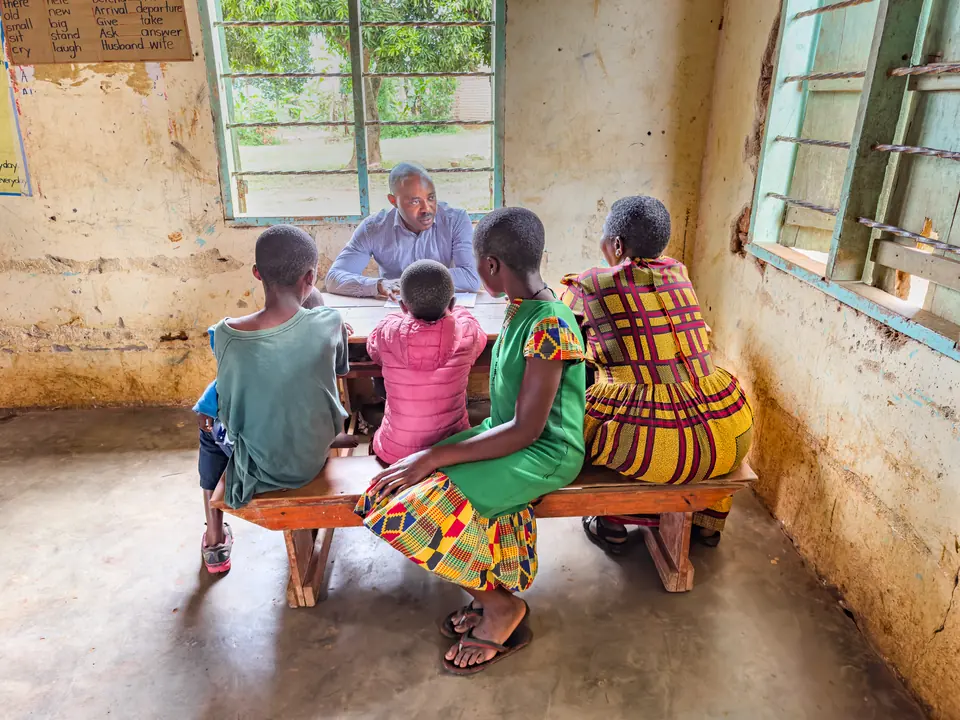
A Damico Health physician talks with a mother and her children across a wooden desk in a village clinic room.
Operations performed in a single day, by type
  • Inguinal hernia repair12
  • Abdominal surgery5
  • Hydrocele repair3
  • Other major surgery6
  • Other minor procedures3

29 operations in one day of surgery. Each dot is one operation.

Why hernia repair

Much of our work focuses on hernia repair. Untreated hernias are among the most common causes of bowel obstruction in our patient population, a dangerous and sometimes fatal condition. By performing preventive hernia surgery, we address a serious risk before it becomes an emergency.

We also take on significant corrective and reconstructive procedures that meaningfully restore quality of life.

Women's health

Essential reproductive, maternal and preventive care for women in underserved communities.

We combine acute treatment with preventive services, including cervical cancer screening, to address both immediate needs and long-term health.

Routine cervical cancer screening anchors our prevention work, identifying one of the most common causes of cancer-related death among women in Uganda early enough to act. Alongside screening, we deliver family planning, maternal health counseling, and treatment for acute gynecologic conditions, giving women care that is both immediately useful and lasting in its impact.

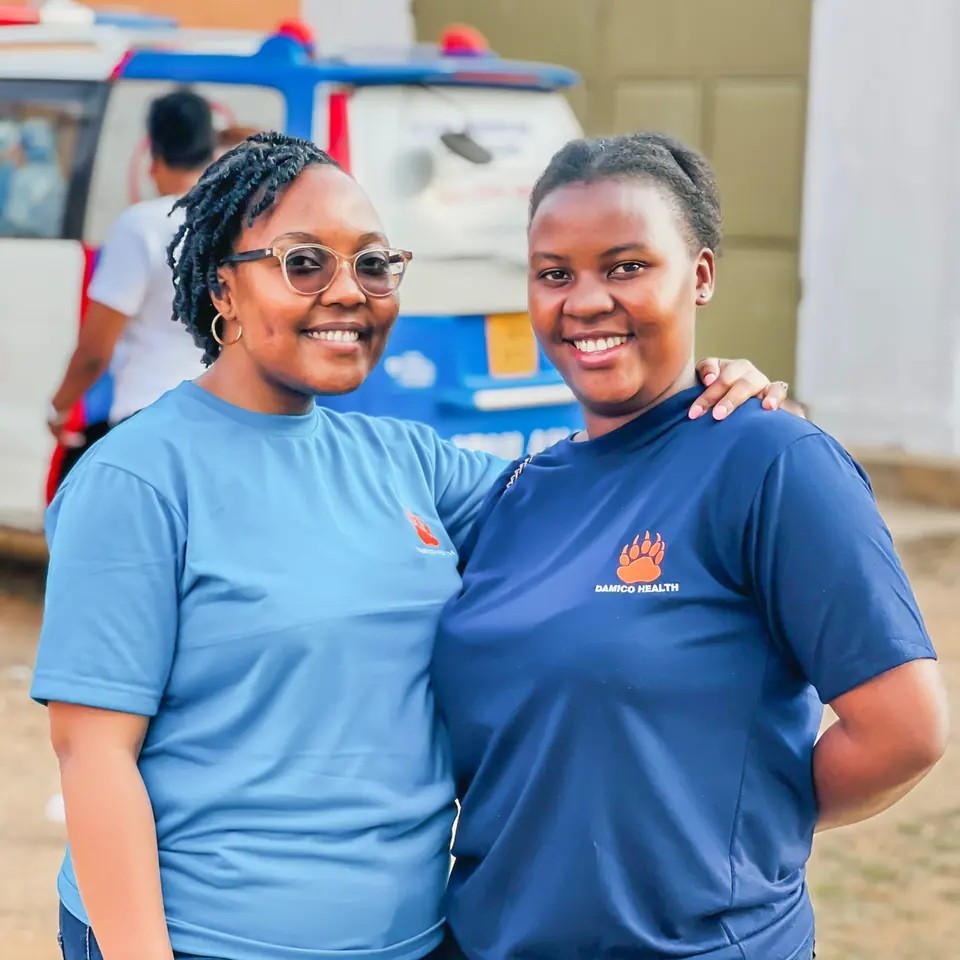
Two women on the Damico Health team stand together, smiling.
Family planning provided in the past year
Three-month injectables
215
Contraceptive implants
42
120
cervical cancer screenings in the past year
1 in 10
women screened had a positive result. Each was referred for treatment.

Palliative care

Comfort, dignity and medical expertise for patients and families facing serious or life-limiting illness.

Our palliative care program is led by Dr. Gloria Wafula, one of the few formally trained palliative care specialists in the region.

Our approach is built on home visits and community-centered care. We travel to remote and underserved areas, reaching patients in their homes where access to formal health facilities is difficult or impossible.

Our teams provide pain management, symptom control, and essential medications, along with psychosocial support for both patients and caregivers. For patients who would otherwise suffer without relief, this care ensures no one is left behind because of distance or cost.

Palliative care runs year-round, not only during visits. Dr. Wafula and the in-country team maintain continuity for patients between deployments, following complex cases and ensuring care does not stop when a trip ends.

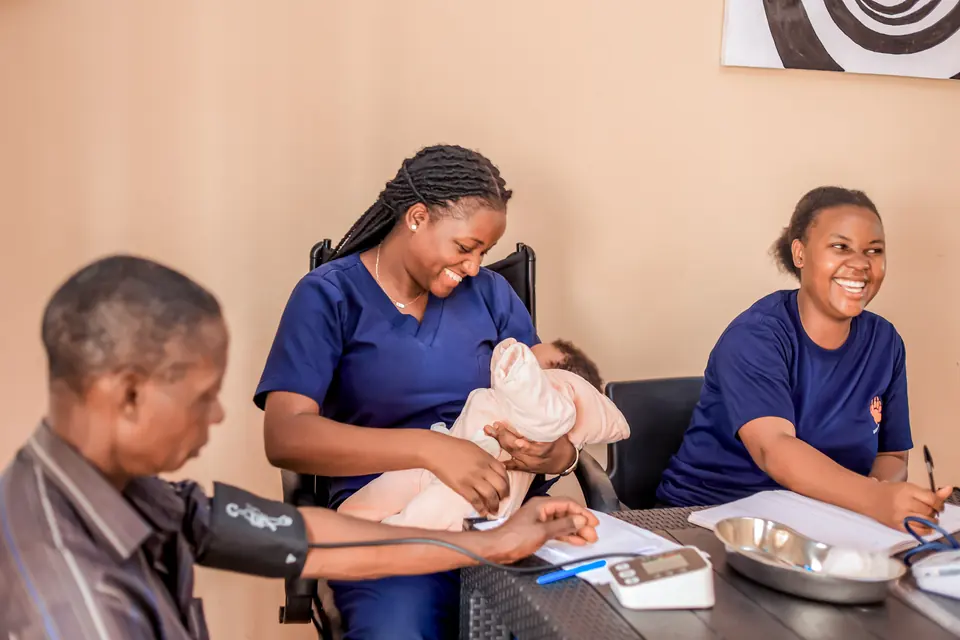
A nurse holds a newborn and smiles while a colleague takes an older patient's blood pressure.
9 in 10
Ugandans who need palliative care cannot get it.
9.7 million
people in Africa need palliative care, by World Health Organization estimates.
0.03%
of the world's morphine-equivalent pain medicine is distributed to low-income countries.

Sources: Palliative Care Association of Uganda, 2023; African Palliative Care Association; Lancet Commission on Palliative Care and Pain Relief, 2017.

Imaging and ultrasound

In settings where advanced imaging is hours away and unaffordable, a portable ultrasound in the hands of a trained clinician can change the course of a patient's life in minutes.

Portable ultrasound is one of the most powerful tools we bring to the communities we serve, and we use it year-round.

Ultrasound lets us diagnose at the bedside, in clinics, and in patients' homes, without referral to a distant facility. It guides our women's health, surgical, and acute care work, and it has repeatedly turned a routine visit into a life-saving intervention.

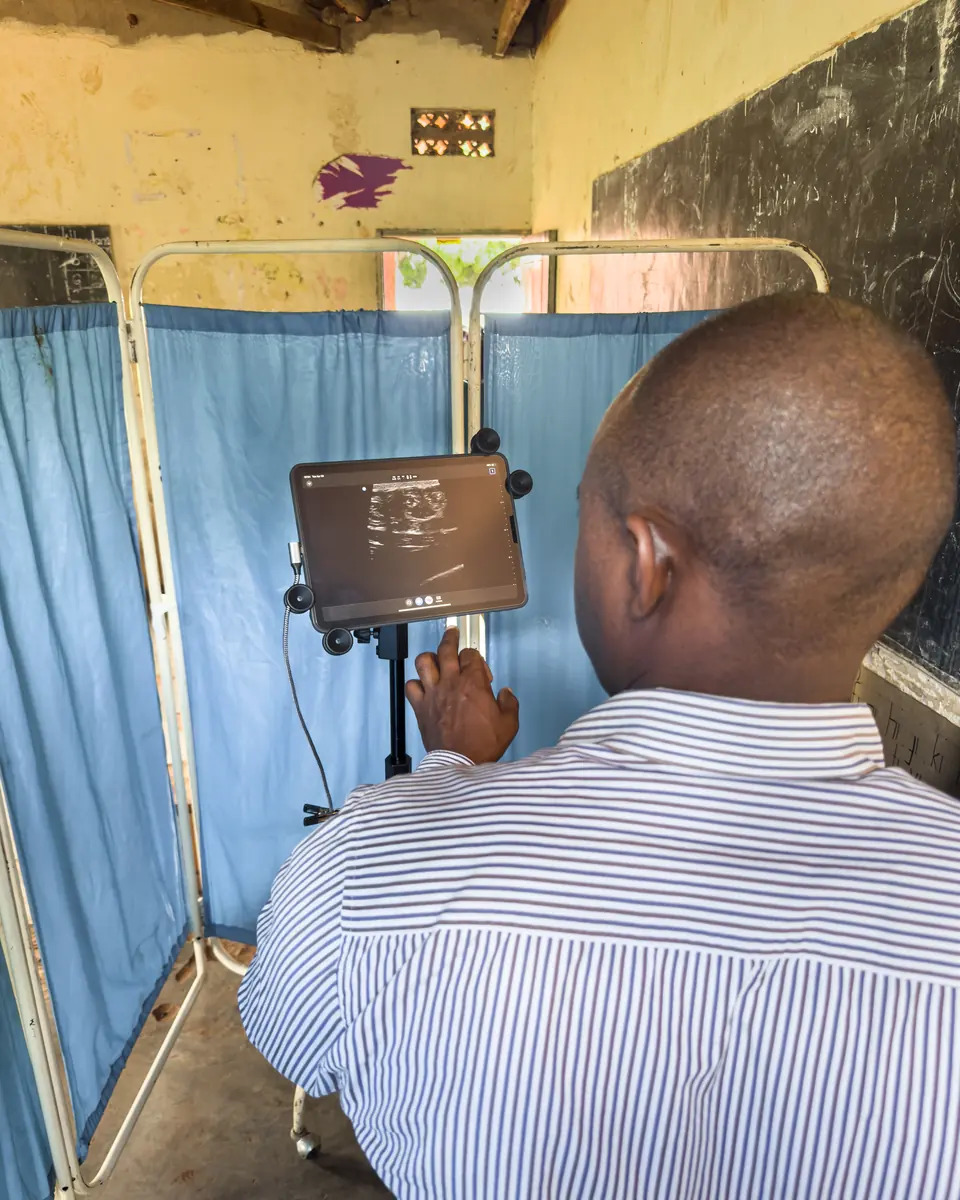
A clinician reviews a bedside ultrasound image on a tablet mounted in front of a blue privacy screen.

An ectopic pregnancy, found at a routine visit

  1. The visit. A pregnant woman was seen for evaluation during a routine clinic.
  2. The scan. Bedside ultrasound revealed an ectopic pregnancy, a life-threatening condition that is easily missed without imaging.
  3. The result. Immediate referral and surgical management, very likely saving her life.

A complete placenta previa, found in the second trimester

  1. The visit. A woman in the second trimester of pregnancy came in for a scan.
  2. The scan. Ultrasound showed a complete placenta previa, which can cause catastrophic bleeding if undetected before delivery.
  3. The result. Her care team planned a safe delivery rather than facing an emergency.
200+
obstetric and gynecologic ultrasounds performed at the bedside, with no referral to a distant facility.

These are not rare exceptions. They are examples of what becomes possible when the right tool reaches the right place. For us, portable ultrasound is not optional equipment. It is a core part of how we deliver care.

Education

Strengthening the knowledge of local providers improves care for far more patients than any single clinician can reach directly.

Education is one of the highest-impact things we do. In the communities we serve, the person managing a patient is often a nurse or a village-level provider working with limited training and few resources.

This work happens year-round through our in-country team led by Dr. Gloria Wafula, and directly during our visits. By investing in local providers rather than working around them, we help build a healthcare system that grows stronger over time.

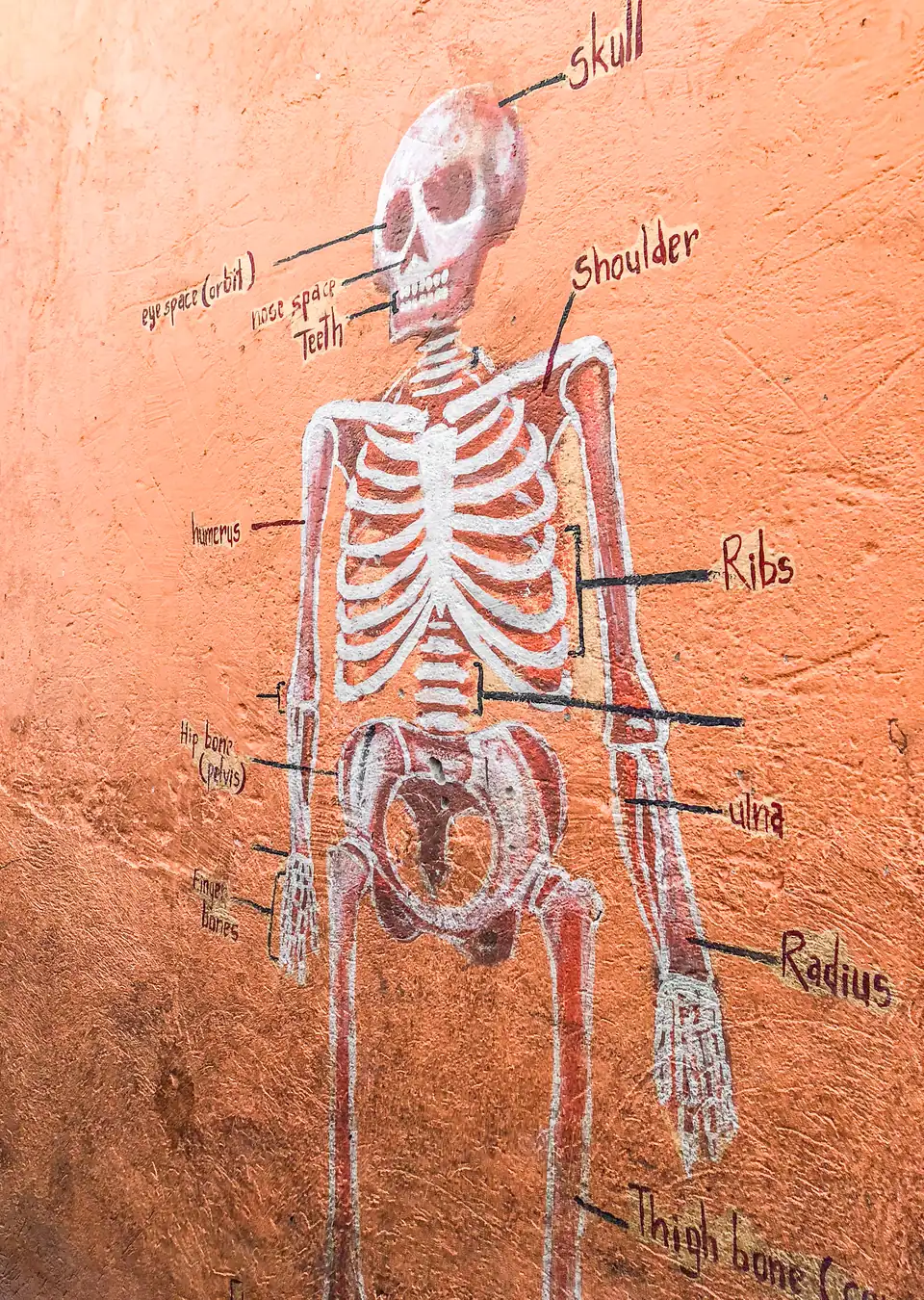
A hand-painted anatomy mural of a labeled skeleton on an orange classroom wall.

We teach in two directions

Patients

Practical, culturally relevant health information they can act on with the resources they actually have.

Providers

Hands-on, practical training for the local nurses, clinicians and village-level providers who deliver care every day, addressing real gaps in clinical knowledge.

What patients tell us about getting care

We ask the people we treat how they reached us and what had kept them from care before. Their answers shape where we put our effort.

What kept you from getting care sooner?
Cost
83%
Distance
22%
Other reasons
4%

72 responses. Patients could give more than one reason.

Patients who put off care, and why

99% said cost was the reason they waited.

More than half of the patients we asked had delayed seeking care.

Distance is rarely what stops patients from getting care. Cost is. People are willing to travel, sometimes long distances, when they know they can get the care they need. By removing the cost barrier and bringing care to trusted local facilities, we reach patients who would otherwise go without.

Unless a source is named, figures come from Damico Health clinic records and patient surveys. All data is aggregated and anonymous.

Tools for other outreach teams

DH Field EMR is the free, offline medical record we built for our own clinics. Any organization doing similar work can use it at no cost.

About DH Field EMR

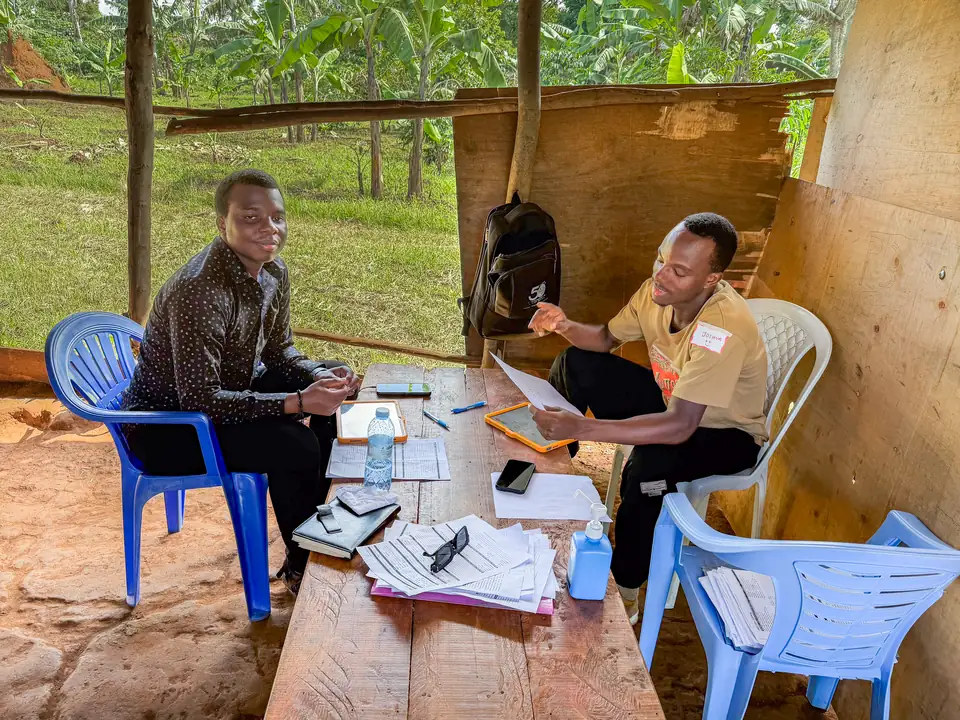
Two clinic staff register patients on tablets at a wooden table in an open-air shelter.